


San Diego Tides Explained (Best Tide Times for Beaches & Tide Pools)


Disclosure: This section features several affiliate links, meaning we earn a small commission if you purchase through these links. However, not all links posted are affiliate links. Click here to learn more.
If you’ve ever shown up to the beach in San Diego and wondered why the shoreline looks completely different than the last time you visited, the answer is simple: tides.
Understanding San Diego tides is one of the easiest ways to dramatically improve your beach experience whether you're planning a relaxing beach day, hunting for tide pools, or trying to avoid a vanishing shoreline.
This guide breaks it all down in a way that’s actually useful, including the best tide times, how to read tide charts, and exactly where tides matter most along the coast.
Before we dive in, don’t miss future guides like this; subscribe to San Diego Beach Review for insider tips on everything to do in, on, and near the water.
What Causes Tides in San Diego?
Tides are caused primarily by the gravitational pull of the moon and sun on Earth’s oceans. In San Diego, this creates a semi-diurnal tide cycle, meaning:
Two high tides
Two low tides
Each day
The timing shifts slightly every day, which is why checking a tide chart is essential before heading out.
Understanding San Diego Tide Cycles
San Diego’s coastline, from La Jolla down to Coronado and up through Oceanside, experiences consistent tidal patterns, but how they feel varies by beach.
Here’s how to think about it:
High Tide
Water moves closer to the shore
Less sand available
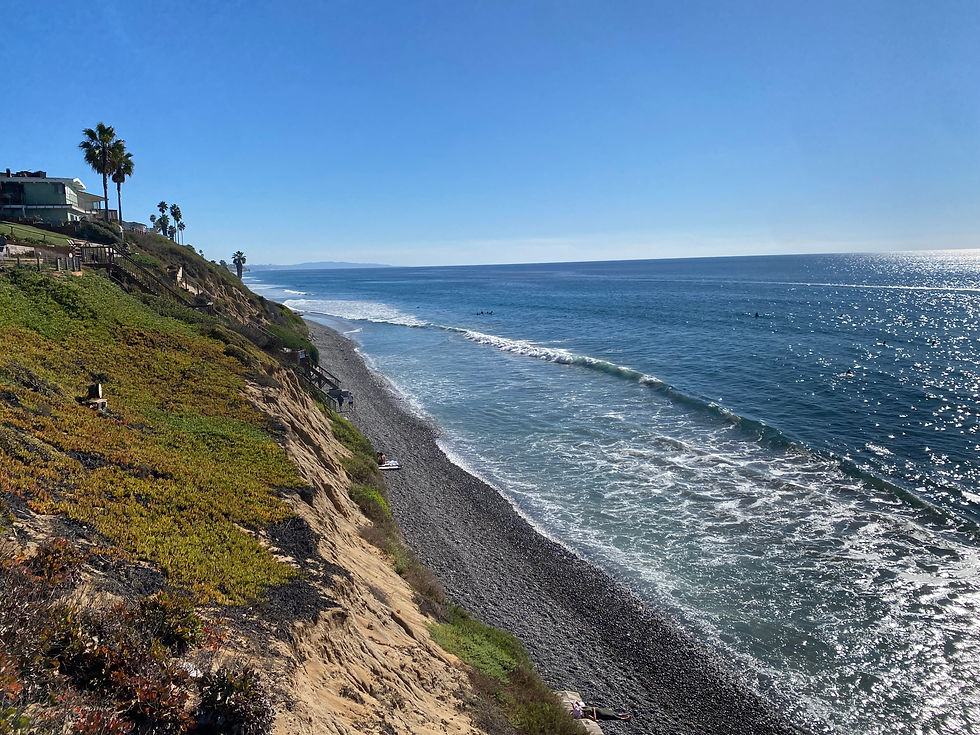
Waves break closer to cliffs and boardwalks
Low Tide
Water recedes significantly
More beach space opens up
Tide pools become visible

Best Tide Times for Different Beach Activities
Best Tides for Tide Pooling
If you’re planning to explore tide pools, timing matters more than anything.
Best conditions:
Negative low tides (below 0.0 ft)
Early morning low tides (best visibility and fewer crowds)
Top tide pooling spots include:
La Jolla Tide Pools
These areas reveal sea caves, anemones, starfish, and other marine life when tides are at their lowest.
For current conditions, check the daily tide charts on the NOAA website, which provides the most accurate data.
If you’re visiting during a negative low tide, guided tide pool tours in La Jolla and tide pool tours in Point Loma can help you spot marine life you’d otherwise miss.
Best Tides for Beach Days
For a typical beach day: laying out, walking, or playing in the sand—you’ll want:
Best conditions:
Mid-to-low tide (falling tide is ideal)
Avoid peak high tide when beaches shrink dramatically
Beaches like Del Mar Beach, Swami's Beach, Oceanside, Carlsbad and many other North County beaches with cliffs or more narrow shorelines are especially affected by high tides, where usable sand can almost disappear.
Best Tides for Surfing
Surf conditions depend on swell, wind, and tide combined, but generally:
Some breaks perform better at mid to high tide
Others need lower tides to break properly
Popular surf areas like Pacific Beach and Windansea Beach can change significantly depending on tide height.
How to Read a San Diego Tide Chart
If you’ve never looked at a tide chart before, it can feel confusing, but it’s straightforward once you know what to look for.
A typical tide chart will show:
Time of high and low tides
Height in feet
Tide trend (rising or falling)
Here’s how to use it:
Identify the lowest tide of the day
Check if it’s negative or near zero (best for tide pools)
Plan to arrive 1–2 hours before low tide
Watch for the incoming tide so you or your belongings don't get soaked by water rising.
It's very common for people to set up too close to shore when the tide is rising and then have to try to move back to prevent their stuff from getting damage. To prevent this from happening, it's best to look at the tide forecast to see when low and high tide are and how it might affect your beach day.
Monthly and Seasonal Tide Patterns
Tides change throughout the month based on lunar cycles.
King Tides (Winter Months)
Highest highs and lowest lows of the year
Best for extreme tide pooling
Also useful for coastal photography
Neap Tides
Less dramatic tidal changes
Smaller difference between high and low tide
San Diego typically sees its most dramatic tides between December and February, making winter one of the best times for tide pool exploration.

Beaches Where Tides Matter Most
Not all beaches are affected equally. These are the ones where timing your visit makes a huge difference:
La Jolla Coastline
Beach is essentially inaccessible for walking during high tide
Not safe to access beach trail during high tide
Limited to no space during high tide in areas
Point Loma & Cabrillo
Extensive rocky intertidal zones
Only accessible at low tide
Sunset Cliffs
Dangerous at high tide
Expands dramatically at low tide
Flat, Sandy Beaches
Huge shoreline expansion at low tide
Ideal for long walks

Common Mistakes to Avoid
Ignoring tide charts completely — leads to disappointing or unsafe conditions
Arriving at peak high tide — especially at narrow beaches
Not watching the incoming tide — can trap you in rocky or cliff like areas
Assuming all beaches behave the same — they don’t
Pro Tips for Planning Around Tides
Check tides the night before your beach day
Aim for falling tide windows for the best conditions
Combine tide timing with weather and surf reports
Use tide apps or NOAA data for accuracy
If you're planning a full beach itinerary, pairing this with your guide to boardwalk-friendly beaches or calm swimming areas will help you make smarter decisions based on conditions, not guesswork.

FAQ: San Diego Tides
What time is low tide in San Diego?
Low tide times change daily. The most accurate way to check is through the NOAA tide charts.
What is the best tide for tide pools in San Diego?
Negative low tides (below 0.0 ft) are best, especially at locations like La Jolla Cove and Cabrillo National Monument.
Is high tide or low tide better for the beach?
Low tide is generally better because it exposes more sand and creates more usable space, especially at beaches like Del Mar Beach and Pacific Beach.
How many tides are there per day in San Diego?
San Diego typically experiences two high tides and two low tides each day.
Do tides affect all San Diego beaches the same way?
No. Rocky areas like Sunset Cliffs are heavily affected, while some beaches have more gradual changes.
What are king tides in San Diego?
King tides are the most extreme tidal swings of the year, usually occurring in winter, producing very high high tides and very low low tides.
Can you swim during low tide?
Yes, but conditions may vary. Some areas become rocky or shallow, especially near reef zones like La Jolla.
Where can I check San Diego tide charts?
The most reliable source is the NOAA website, along with tide-specific apps.
Final Thoughts
Understanding San Diego tides gives you a major advantage. Instead of guessing, you’ll know exactly when to go, where to go, and what kind of beach experience to expect, whether that’s wide-open sand, perfect tide pools, or a completely different coastline than you saw the day before.
Don’t miss out on the best beaches, activities, and local guides; subscribe here and get the latest San Diego tips.


Comments