


Best Beaches in San Diego for Tide Pooling: Where to Find the Most Marine Life


Disclosure: This section features several affiliate links, meaning we earn a small commission if you purchase through these links. However, not all links posted are affiliate links. Click here to learn more.
A winter low tide in San Diego reveals one of the region’s most fascinating natural wonders: vibrant tide pools teeming with marine life. From bright sea stars and purple urchins to hermit crabs, barnacles, sea hares, and anemones, the intertidal zone transforms into a living marine classroom during low tide conditions.
Whether you’re planning a family-friendly coastal outing, a photography walk, or a guided marine-life experience, San Diego offers some of the best tide pooling in Southern California.
If you’re unfamiliar with how tides affect beach access and reef visibility, reviewing this San Diego tides guide before your trip can help you time your visit around the best minus tides.
Before we dive in, don’t miss future coastal guides like this; subscribe to San Diego Beach Review for local beach tips, seasonal updates, and marine-life guides throughout the year.
Why San Diego Is One of the Best Tide Pooling Destinations in California
San Diego’s coastline naturally creates excellent tide pool habitats thanks to:
Rocky reef shelves
Sandstone formations
Coastal cliffs
Protected intertidal zones
Seasonal negative low tides
Winter minus tides, especially from December through March, expose large sections of reef and rock platforms that are hidden underwater most of the year.
Best Time for Tide Pooling in San Diego
The ideal tide pooling window is:
1–2 hours before low tide
During negative tides (0 ft or lower)
Most commonly in winter and early spring
Fall can occasionally produce excellent tide conditions as well.
Guided Tide Pool Tours
For visitors wanting a more educational or structured experience, guided tours can significantly improve the outing.
A marine biologist-led tide pool tour in La Jolla is one of the best options for families, photographers, and visitors unfamiliar with local marine life.
Visitors exploring Point Loma can also book a private tide pool tour at Cabrillo National Monument, which offers a quieter and more personalized experience.

Best Beaches in San Diego for Tide Pooling
Cabrillo National Monument Tide Pools (Point Loma)
Best For:
The most diverse marine life in San Diego Cabrillo National Monument is widely considered the best tide pooling location in San Diego thanks to its federally protected intertidal ecosystem.
You’ll often find:
Sea anemones
Sea hares
Mussels
Chitons
Limpets
Shore crabs
Seasonal sea stars
Occasionally octopus
The reef structure here is far more extensive than most other beaches in the county.
Why It’s One of the Best
Deep reef shelves
Large tide pool zones
Excellent visibility
Strong marine biodiversity
Great macro photography opportunities
Parking can become difficult on weekends and holidays, especially during strong negative tide events.
Visitors exploring Point Loma often combine tide pooling with nearby activities. Check out our guide to Point Loma for more to do in the area.
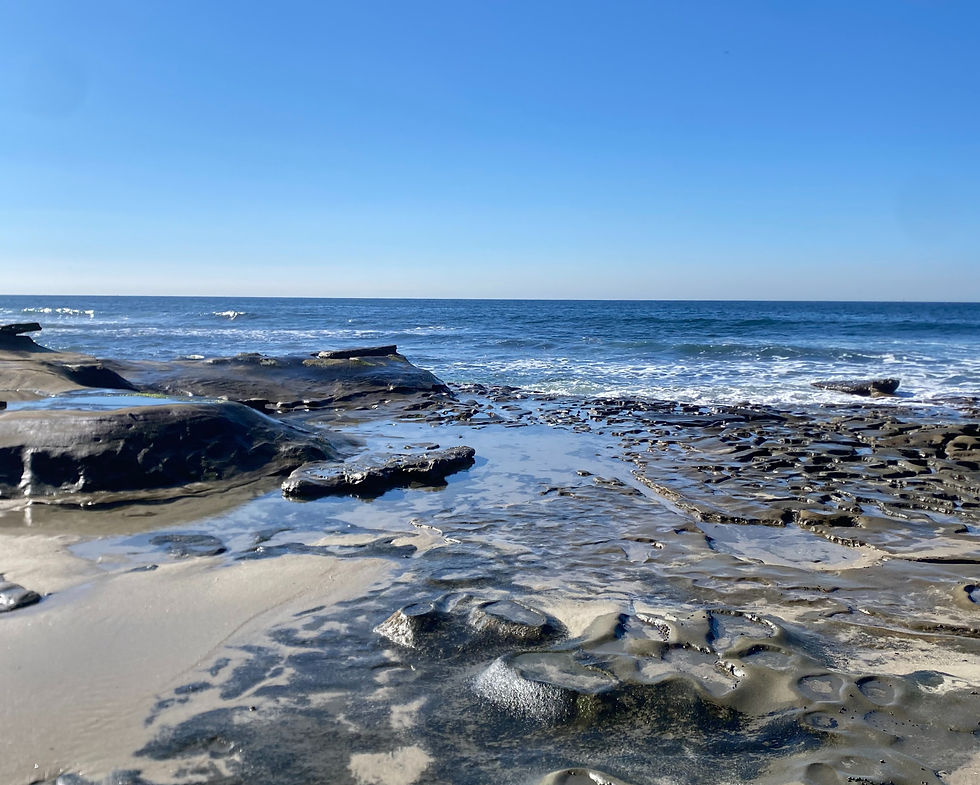
La Jolla Tide Pools (Dike Rock, Hospital Reef)
Best For:
Families, beginners, and photography
La Jolla contains multiple tide pooling zones within a relatively short stretch of coastline.
Dike Rock
Located near Scripps Pier, Dike Rock offers:
Shallow pools
Easy marine-life viewing
Calm conditions for children
Hospital Reef
Known for its patterned sandstone formations and wide reef shelves during low tide. Has grass area right above it along Coast Blvd.
Scripps Tide Pools
Best For:
Calmer exploration and educational experiences
Located beneath Scripps Pier near the Birch Aquarium area, these tide pools tend to be quieter than La Jolla Cove itself.
What Makes Scripps Special
Smooth sandstone shelves
Easier walking conditions
Family-friendly exploration
Nearby educational attractions
Marine life here commonly includes:
Sea cucumbers
Barnacles
Hermit crabs
Small fish
Purple sea urchins
Because the pools are relatively shallow, this area is one of the best options for first-time tide pool visitors and young children.
Why La Jolla Is Excellent for Tide Pooling
Easy access from town
Nearby restaurants and restrooms
Multiple reef systems
Excellent wildlife variety
Great photography conditions
After exploring the tide pools, many visitors continue their day using this guide to whale watching and wildlife boat tours in San Diego to plan additional marine-life experiences.
Visitors wanting a more educational experience can also join a guided La Jolla tide pool tour with a marine biologist, which includes wildlife education and photography opportunities.
Encinitas Tide Pools (Swami’s & Cardiff Reef)
Best For:
A quieter, more scenic tide pooling experience
Encinitas offers excellent reef exposure during low tide, especially beneath the cliffs at Swami’s Beach and Cardiff Reef.
Why These Areas Stand Out
Wide reef platforms
Fewer crowds than La Jolla
Excellent sunset photography
Strong mix of surf culture and marine life
Coffee shops, coastal viewpoints, and walking paths nearby make this a great half-day outing.
Visitors exploring North County beaches may also enjoy this guide to the best beaches for walking along the shoreline in San Diego, since Swami’s and Cardiff become especially scenic during lower tides.
Carlsbad Tide Pools (Terramar & South Carlsbad)
Best For:
Families staying in North County
Terramar and sections of South Carlsbad State Beach reveal rocky shelves and smaller tide pools during winter low tides.
Why Families Like This Area
Easier parking
Less crowded conditions
Wide beaches
Simpler walking access compared to steeper reef areas
These beaches are especially good for visitors wanting a more relaxed tide pooling experience without navigating large cliff access points.

When to Go Tide Pooling in San Diego
Tide pools only become fully accessible during low tide, and the lower the tide, the better the experience.
For the best conditions:
Visit during negative tides
Check tide charts up to two weeks ahead
Arrive 30–60 minutes before low tide
Be cautious during sunset tides and large surf days
Winter mornings often offer the best combination of low tides, fewer crowds, and better marine-life visibility. Learn about the tides with our guide to tides in San Diego.
Responsible Tide Pooling: Protecting Marine Life
San Diego’s tide pools are fragile ecosystems, and protecting them helps preserve marine life for future generations.
Do:
Step only on bare rock
Observe wildlife without touching
Watch for incoming waves
Keep pets away from reef areas
Don’t:
Remove shells or animals
Move creatures between pools
Step on algae or anemones
Leave trash behind
Many tide pooling areas in La Jolla are also protected marine conservation zones, making respectful exploration especially important.

FAQ: Best Beaches in San Diego for Tide Pooling
What month is best for tide pooling in San Diego?
December through March usually offers the best minus tides and reef exposure.
Where are the best tide pools in San Diego?
Cabrillo National Monument and La Jolla are widely considered the top locations.
What time should I go tide pooling?
Plan to arrive about 30–60 minutes before low tide.
Are tide pools safe for kids?
Yes, especially calmer areas like Scripps and Dike Rock, though supervision is important due to slippery rocks and waves.
Can you touch tide pool animals?
It’s strongly discouraged because many marine species are delicate and protected.
Are tide pools visible all day?
No. Many reef areas are submerged during higher tides.
What should I wear for tide pooling?
Water shoes or shoes with strong grip are highly recommended.
Is Cabrillo better than La Jolla for tide pooling?
Cabrillo generally has greater biodiversity, while La Jolla offers easier access and more nearby amenities.
Are guided tide pool tours worth it?
Yes. Guides help identify marine species and often improve the overall experience significantly.
Can you snorkel near tide pools?
Yes, especially around La Jolla during calmer ocean conditions.
Final Thoughts
San Diego’s tide pools offer one of the most unique coastal experiences in Southern California. Whether you explore the dramatic reef shelves at Cabrillo, the sandstone formations of La Jolla, or the quieter North County pools in Encinitas and Carlsbad, every low tide reveals a completely different side of the coastline.
With the right timing, proper footwear, and a little patience, tide pooling can easily become one of the most memorable activities along the San Diego coast.
Don’t miss out on the best beaches, activities, and local guides; subscribe here and get the latest San Diego tips.


Comments